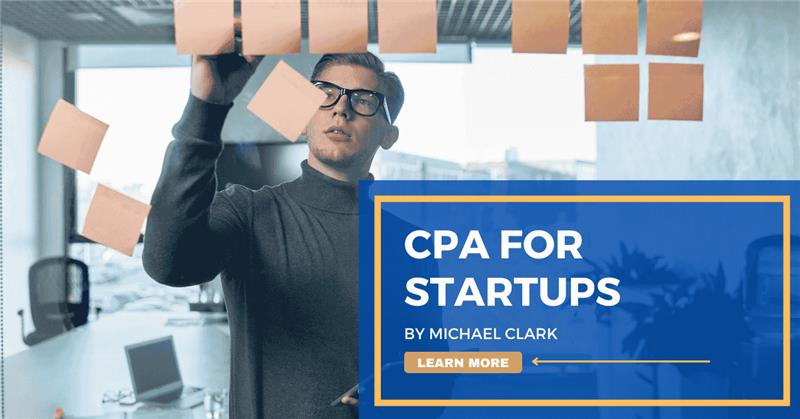
Choosing the best CPA for a Startup
If you’re a startup, the best CPA is the one who helps you control cash flow, stay compliant, and make smarter financial decisions from day one. A CPA does far more than taxes they guide your business through budgeting, planning, funding, and financial structure. Cash flow keeps a business alive. It pays employees, covers rent, buys inventory, and helps you scale.
For startups, every wrong financial decision can cost months of progress. That’s why choosing the right CPA early on is not optional it’s a survival move.
Know about: Taxing companies that outsource for startups
Why Startups Should Work With a CPA From Day One
Startups move fast, take risks, and operate with limited resources. A CPA helps you avoid mistakes and build a solid financial base by:
-
Setting up accounting systems correctly
-
Ensuring clean books for future investors
-
Preventing tax penalties and compliance issues
-
Helping manage unpredictable cash flow
-
Advising on business formation (LLC, S Corp, C Corp)
Example: A tech startup may spend heavily on software, contractors, and marketing without tracking expenses properly. A CPA ensures everything is categorized, deductible, and ready for investor reporting.
Check here: Florida CPA
How a CPA Helps Your Startup
A startup CPA specializes in the early-stage phase where you’re trying to organize chaos.
1. Cash Flow & Budgeting
Most startups fail due to cash flow mismanagement. A CPA helps forecast expenses, track money movement, and prevent early burnout.
2. Tax Planning & Compliance
Startups often don’t know:
-
Which expenses are deductible
-
How quarterly estimated taxes work
-
What forms to file
A CPA prevents penalties and ensures every legal tax benefit is used.
3. Setting Up Accounting Systems
Instead of spreadsheets, a CPA sets up:
-
QuickBooks Online
-
Xero
-
Automated receipt tracking
-
Real-time dashboards
This saves hours of manual work.
4. Support During Funding
Investors ask for:
-
Profit & loss statements
-
Cash flow reports
-
Clean books
-
Projections
A CPA ensures you look “investment-ready.”
best tax outsourcing services?
How to Choose the Right CPA for Your Startup

Choosing a CPA isn’t about finding the cheapest option it’s about finding the right one. Here’s what matters most:
1. Experience With Startups
Startups have:
-
Tight budgets
-
Fast pivots
-
Uncertain revenue
-
High growth expectations
A CPA who understands this rhythm gives better guidance than someone who only works with large, stable companies.
2. Industry Knowledge
Each industry has unique tax rules.
Examples:
-
Tech startups → R&D credits
-
Retail → Inventory accounting
-
Service businesses → Contractor classification rules
A CPA familiar with your industry spots opportunities others miss.
3. Tech-Savvy Approach
Modern accounting depends on technology. A strong CPA uses tools like QuickBooks, Xero, Gusto, Bill.com, and automations to give you real-time data, not outdated reports.This saves time and reduces errors.
4. Clear Communication
A good CPA should:
-
Explain things in simple language
-
Be reachable
-
Provide updates without you chasing them
Confusing communication leads to mistakes later.
5. Transparency & Trust
Your CPA should be clear about:
-
Service pricing
-
Scope of work
-
What’s included
-
What’s not
No hidden fees, no surprises.
What to Expect When Working With a Startup CPA
A professional CPA should provide:
-
Initial financial diagnostic
-
System setup (QuickBooks/Xero)
-
Monthly bookkeeping overview
-
Tax planning roadmap
-
Quarterly reviews
-
Compliance reminders
-
Investor-ready reporting
If your CPA isn’t doing this, they’re not supporting your growth properly.
Examples of How a CPA Helps Startups
Scenario 1: Overspending
A founder spends heavily on ads but doesn’t track ROI. A CPA identifies which spend is waste and helps build a smarter budget.
Scenario 2: Funding Round
A startup preparing for seed funding needs formal financial statements. A CPA organizes everything investors ask for.
Scenario 3: Wrong Business Structure
A founder picks the wrong entity type and pays more taxes. A CPA fixes it and reduces future liabilities.
Red Flags When Hiring a CPA
Avoid CPAs who:
-
Can't explain things clearly
-
Don’t specialize in startups
-
Are slow to respond
-
Don’t use modern software
-
Offer “too cheap to be true” pricing
-
Don’t provide a clear plan or structure
If you see any red flag walk away.
How Much Does a CPA Cost for Startups?
Average ranges (U.S. market):
-
Monthly accounting: $200–$600
-
Tax planning: $300–$1,200
-
Full-service CPA: $1,000–$3,500 monthly (for growing startups)
A good CPA saves more money than they cost by preventing mistakes and optimizing taxes.
Best CPA in Tampa, Florida
SK Financial CPA is well-known for supporting startups and small businesses.
We provide:
-
Tax planning
-
Budgeting
-
Strategic financial guidance
-
Monthly accounting
-
Compliance support
-
Investor-ready financials
Their hands-on approach ensures startups receive proactive advice not generic reports.
Common Mistakes Startups Make When Hiring a CPA
Avoid these common errors:
-
Choosing the cheapest CPA
-
Hiring someone without industry experience
-
Not defining goals before hiring
-
Expecting a CPA to do bookkeeping (two different roles)
-
Working without a clear communication plan
These mistakes lead to compliance issues, tax penalties, and messy books.
Conclusion
A CPA is not just someone who files taxes they’re a long-term partner who helps your startup avoid mistakes, control cash flow, and take advantage of financial opportunities. If you want your startup to grow with clarity and confidence, this is the right time to bring a CPA on board.
Follow SKFinancial on Facebook / Twitter / Linkedin / Youtube for updates.