What is the Sales Tax in California? California Sales Tax Rates by City
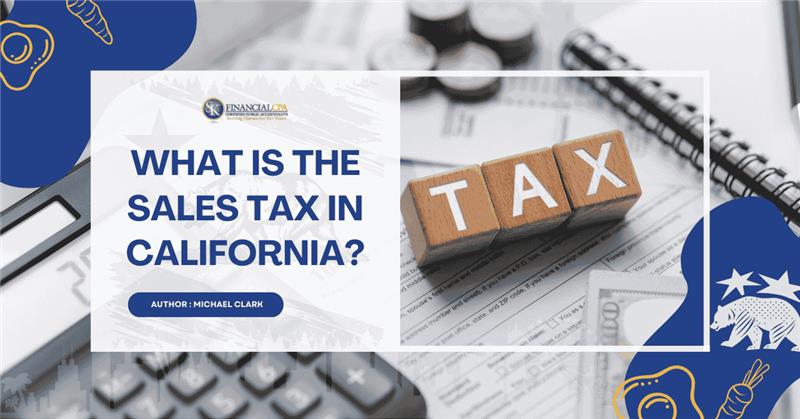
The minimum statewide sales tax rate in California is 7.25%. However, that is only the starting point. Depending on the city and local district taxes, the total combined rate can go above 10.75% in certain areas.
California’s sales tax structure includes:
-
6.00% state base rate
-
1.25% mandatory local rate
-
Additional district taxes imposed by cities and counties
That’s why the actual amount you pay at checkout can vary significantly even within the same metropolitan region. Understanding what is the sales tax in California requires knowing not just the base rate, but how local district taxes apply to your specific ZIP code.
What Is the Sales Tax in California in 2026?
As of 2026, California maintains a 7.25% minimum sales tax rate statewide. This has remained consistent at the state level, but district taxes continue to change as local jurisdictions pass new measures.
Here’s how the structure works:
|
Component |
Rate |
|
State base tax |
6.00% |
|
Mandatory local tax |
1.25% |
|
Minimum total |
7.25% |
|
With district taxes |
Up to 10.75%+ |
California uses a modified origin-based system. This means:
-
The state, county, and city portions are based on the seller’s location.
-
The district tax portion is based on the buyer’s delivery location.
For businesses shipping products into California, this distinction matters. Applying the wrong district rate can result in under-collection, which leads to penalties.
California Sales Tax Rates by City
The answer to what is the sales tax in California changes by city. Here are common 2026 combined rates:
|
City |
Total Sales Tax Rate |
|
Los Angeles |
9.50% |
|
San Francisco |
8.625% |
|
San Diego |
7.75% |
|
Alameda |
10.75% |
|
Anaheim |
7.75% |
Notice how Alameda exceeds 10%. That’s because multiple district taxes stack on top of the base rate. If you are a retailer, ecommerce seller, or service provider selling taxable goods, you must calculate sales tax based on the exact delivery address not just the city name.
How Do You Calculate California Sales Tax?

Calculating sales tax is simple in theory:
Sales Tax = Purchase Price × Combined Tax Rate
But errors happen when businesses use the wrong district percentage.
Example 1
A customer buys a $150 item in Los Angeles (9.5%):
$150 × 9.5% = $14.25 tax
Total = $164.25
Example 2
A customer buys a $500 appliance in Alameda (10.75%):
$500 × 10.75% = $53.75 tax
Total = $553.75
Now imagine you undercharged 1% across hundreds of transactions. That shortfall becomes your liability during an audit.
What Is Taxable in California?
California generally taxes tangible personal property, meaning physical goods.
Taxable examples include:
-
Clothing
-
Electronics
-
Furniture
-
Home appliances
-
Restaurant meals
-
Hot prepared food
-
Car repairs
-
Hotel stays
If a physical item is transferred to the customer, it is usually taxable unless specifically exempted by statute. This is why understanding what is the sales tax in California also requires understanding what is taxable in the first place.
What Is Not Taxable in California?
California offers several exemptions, especially compared to other states.
Common non-taxable items include:
-
Most groceries
-
Prescription medications
-
Certain medical devices
-
Diapers
-
Menstrual hygiene products
-
Utilities delivered through mains
-
SaaS (Software as a Service)
-
Most digital downloads
California does not tax SaaS because no tangible property transfers to the buyer. That distinction is critical for software companies and subscription-based businesses operating in 2026.
What Is the California Food Tax?
Most grocery food for home consumption is exempt from sales tax.
That includes:
-
Fruits and vegetables
-
Meat and seafood
-
Dairy products
-
Bread and cereal
-
Cold sandwiches taken to go
However, the exemption does not apply to:
-
Hot prepared food
-
Soda and carbonated drinks
-
Alcohol
-
Food consumed inside restaurants
For example:
Buying a cold deli sandwich to-go (No tax)
Buying a hot rotisserie chicken (Tax applies)
Restaurants must carefully distinguish between hot and cold sales when reporting.
What Is California’s Restaurant Sales Tax Rate?
Restaurants charge the same combined local rate as retail sellers in their city.
Here are the rules:
-
Hot food (Always taxable)
-
Cold food eaten on premises (Taxable)
-
Cold food taken to go (Not taxable)
-
Delivered hot food (Taxable)
In Los Angeles, that means 9.5% applies to taxable restaurant items. For restaurant owners, misclassifying dine-in versus takeout sales is a common audit trigger.
What Is California’s Clothing Sales Tax?
Unlike some states, California does not offer a general clothing exemption. All standard clothing purchases are taxed at the local combined rate.
For example: A $300 suit purchased in San Francisco (8.625%) results in $25.88 in tax. There are limited nonprofit-related exemptions, but they do not apply to standard retail clothing stores.
When Do You Need to Collect Sales Tax in California?
You must collect California sales tax once you establish sales tax nexus. There are two main ways this happens in 2026.
Physical Nexus
You have:
-
An office or storefront
-
A warehouse
-
Employees or contractors
-
Inventory stored in California
-
Equipment leased in the state
Even a single warehouse can create full sales tax obligations.
Economic Nexus
If your business makes more than $500,000 in total sales of tangible personal property delivered into California during the current or prior calendar year, you must register and collect tax. This threshold applies to remote sellers and ecommerce businesses nationwide. Once you exceed $500,000, your obligation begins immediately.
Filing & Paying Sales Taxes in California
After registering with the California Department of Tax and Fee Administration (CDTFA), you’ll receive a filing frequency:
-
Monthly
-
Quarterly
-
Annual
Returns are generally due on the last day of the month following the reporting period.
Late filings result in:
-
10% penalty on unpaid tax
-
Accrued interest
-
Possible audit risk
Consistent underreporting can escalate into full sales tax examinations.
California Sales Tax Strategy & Compliance
Understanding what is the sales tax in California is only the first step. Applying it correctly across multiple districts, especially for ecommerce sellers, is where businesses make costly mistakes.
At SK Financial CPA, we work with businesses that:
-
Sell across multiple California cities
-
Have crossed the $500,000 economic nexus threshold
-
Need help registering with CDTFA
-
Want audit-ready compliance systems
-
Are expanding into California markets
With over 24+ years of experience and thousands of tax filings handled, our team ensures your sales tax collection, reporting, and remittance align with current California regulations in 2026. Sales tax errors are expensive. Proper structure prevents penalties.
FAQs
What is the sales tax in California in 2026?
The minimum statewide rate is 7.25%, but district taxes can increase the total rate to 10.75% or more depending on the city.
Is California sales tax origin-based or destination-based?
California uses a modified origin-based system. State portions are based on seller location, while district taxes are based on buyer location.
Are groceries taxable in California?
Most groceries are exempt, but hot prepared food and soda are taxable.
Do remote sellers need to collect California sales tax?
Yes, if they exceed $500,000 in annual sales delivered into California.
What is the penalty for late sales tax payments?
California generally imposes a 10% penalty on unpaid tax plus interest.
Follow SKFinancial on Facebook / Twitter / Linkedin / Youtube for updates.